
Top 10 Car Maintenance Tips Every U.S. Driver Should Know
Introduction
Owning a car in the U.S. comes with freedom — but also with responsibility. Regular maintenance isn’t just about avoiding breakdowns; it’s about saving money, ensuring safety, and preserving your car’s value.
In this guide, I’ll walk you through 10 essential maintenance tips every U.S. driver should know in 2025. These aren’t extremes — these are simple habits and checks that make a big difference over time.
Also, you might like this related post:
👉 Top 10 Car Parts You Should Check Every 6 Months (2025 Guide)
1. Follow the Owner’s Manual Schedule
The most reliable guide to what your car needs and when is your owner’s manual. It will specify when to change oil, fluids, filters, belts, and more, based on mileage or time. Manufacturers base these intervals on the design of the vehicle. toyota.com+1
Don’t skip this — deviating too much can lead to unnecessary wear or broken warranties.
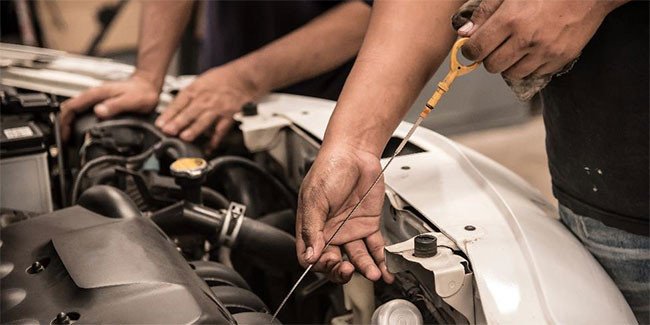
2. Check and Change Engine Oil Regularly
Clean engine oil is the lifeblood of your car’s engine. Over time, oil degrades and loses its lubricating ability.
- Check oil levels monthly (or during every gas stop on long drives) when the engine is cool. Bridgestone Tires+1
- Change oil based on the manufacturer’s recommendation — often between 5,000 to 10,000 miles for modern synthetic oils. Kbb.com+2sullivantire.com+2
Using good-quality oil and filters helps reduce friction and extend engine life.
3. Monitor & Maintain Tire Health
Tires are the only parts touching the road. Keeping them in good shape affects performance, safety, and fuel efficiency.
- Check tire pressure monthly — tires lose 1–2 PSI per month naturally. State Farm+3Kbb.com+3Allstate+3
- Inspect tread depth using the “penny method.” If the top of Lincoln’s head is visible, the tread is too shallow. Kbb.com+1
- Rotate tires every 5,000–7,500 miles (or as recommended) to ensure even wear. Car and Driver+2Bridgestone Tires+2
4. Pay Attention to Fluid Levels & Quality
Beyond oil, your car depends on various fluids:
- Coolant / antifreeze
- Brake fluid
- Transmission fluid
- Power steering fluid
- Windshield washer fluid
Check these periodically, especially before long trips. Dirty or low fluids can lead to damage. Car and Driver+2Allstate+2
5. Test & Maintain the Battery
A weak battery is a frequent cause of breakdowns:
- Inspect battery terminals for corrosion and ensure connections are tight. Kbb.com+1
- Test battery voltage annually; if it’s under ~12.4 V when the car is off, it’s weakening. Car and Driver+2Allstate+2
- Consider replacing batteries every 4–5 years before they fail unexpectedly.
6. Replace Air Filters & Cabin Filters
Filters keep your engine breathing clean and your cabin air fresh:
- Engine air filter: a clogged filter reduces performance and fuel efficiency. Car and Driver+2toyota.com+2
- Cabin air filter: if airflow drops or you smell odors, it’s time to change it.
Replacement intervals vary, but a good check every 12,000–20,000 miles is common.
7. Inspect Belts, Hoses & Timing Components
Belts and hoses are under constant stress from heat and vibration:
- Look for cracks, glazing, frays, or looseness in serpentine belts.
- Check hoses for leaks, bulges, or soft spots.
- For vehicles with timing belts, follow replacement intervals (often 60,000–100,000 miles).
Failure in this area can cause major engine damage.
8. Keep Lights & Wipers in Good Shape
Visibility is critical:
- Test headlights, brake lights, turn signals, and interior lights monthly. Bridgestone Tires+2Car and Driver+2
- Replace wiper blades at least once a year or as soon as they streak or smear.
Good lighting and visibility reduce risk.
9. Don’t Ignore Weird Noises, Smells, or Warning Lights
Your car will often give you early warning signs:
- Strange sounds (squealing, grinding)
- Burning smells
- Dashboard warning lights
Don’t delay diagnostics — catching issues early is much cheaper than repairing major damage later. Consumer Reports+2Allstate+2
10. Clean & Protect the Exterior & Interior
Aesthetics matter — but so does protection:
- Wash regularly to remove road salt, dirt, and debris.
- Wax at least twice a year to protect paint.
- Clean the interior — vacuum carpets, wipe surfaces, condition leather.
- Underbody washes help prevent rust in cold or coastal regions.
A well-maintained car not only looks better but holds value higher.
Conclusion
These 10 tips are the backbone of good car care. Stick to them as habits, and your vehicle will be more reliable, safer, and more valuable in the long run.
If you want a breakdown of what parts to check every 6 months, take a look at:
👉 Top 10 Car Parts You Should Check Every 6 Months (2025 Guide)