
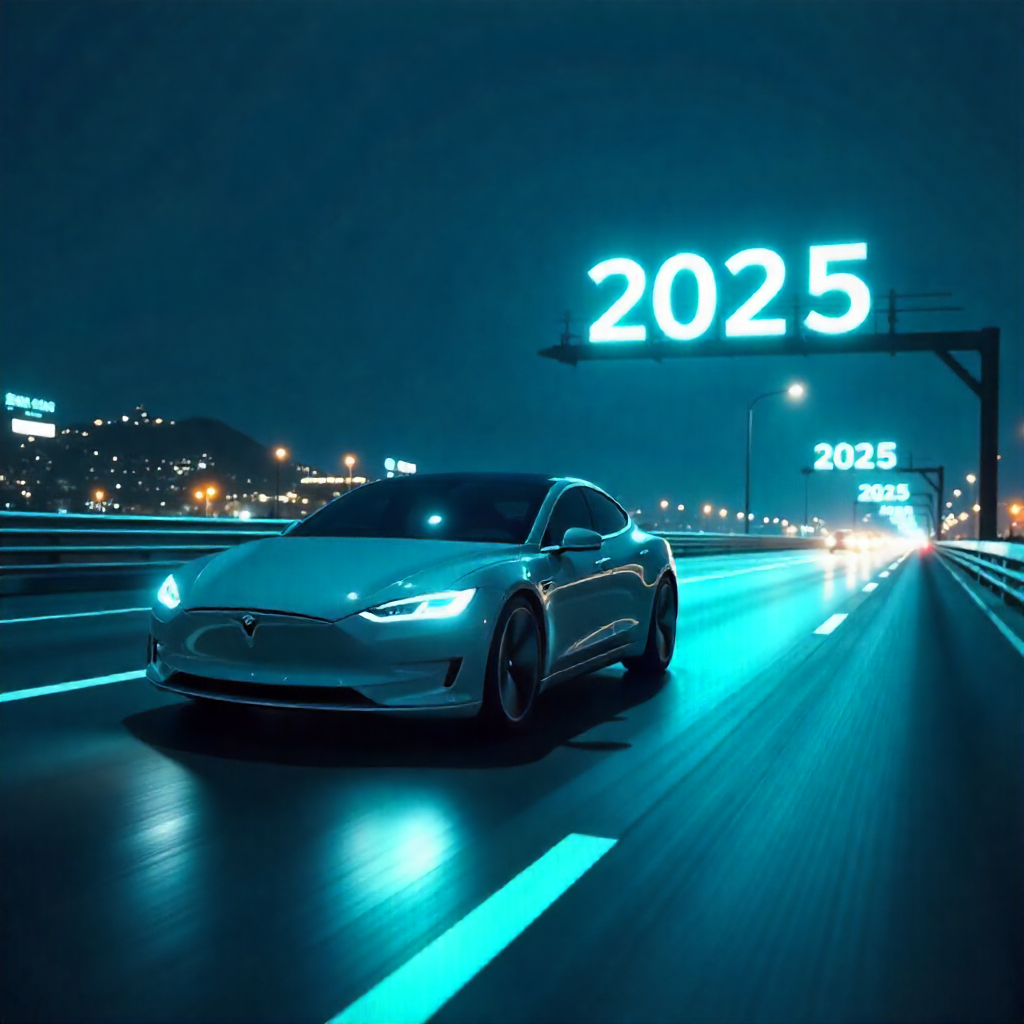
Top Electric Vehicle (EV) Trends to Watch in 2025: The Future of Driving in America
Top Electric Vehicle (EV) Trends to Watch in 2025: The Future of Driving in America
The electric vehicle (EV) market in the United States is evolving faster than ever. From advanced battery technologies to nationwide charging networks, 2025 is shaping up to be a landmark year for sustainable driving. Whether you’re an investor, car buyer, or simply curious about what’s next, understanding these EV trends will help you stay ahead.
1. Longer Range and Faster Charging
One of the biggest concerns for EV buyers has always been range anxiety. In 2025, automakers are addressing this head-on. New battery chemistries such as solid-state and lithium iron phosphate (LFP) are extending driving ranges beyond 400–500 miles per charge.
At the same time, ultra-fast chargers—capable of adding 200 miles in under 10 minutes—are becoming more common across the U.S., thanks to both government initiatives and private investment.
2. Affordable EV Models for Every Budget
The early EV market was dominated by luxury brands, but that’s changing. By 2025, nearly every major automaker offers affordable electric options starting below $30,000. Brands like Chevrolet, Hyundai, and Nissan are introducing budget-friendly models that make EV ownership more accessible to middle-class Americans.
Federal and state tax incentives further sweeten the deal, helping more people make the switch.
3. Growth of Public Charging Infrastructure
The U.S. government’s National Electric Vehicle Infrastructure (NEVI) program is funding thousands of new fast-charging stations across highways and urban centers. Tesla has also opened parts of its Supercharger network to other brands, making it easier for EV drivers to travel long distances without range worries.
4. Increased EV Production in America
Domestic EV manufacturing is booming. Companies like Ford, Tesla, Rivian, and General Motors are expanding factories in Michigan, Texas, and Georgia to meet rising demand. This shift not only boosts job growth but also helps reduce dependency on imported materials.
5. Battery Recycling and Sustainability
Sustainability doesn’t stop at the plug. In 2025, more attention is being paid to battery recycling and the responsible sourcing of materials like lithium, nickel, and cobalt. Companies such as Redwood Materials and Li-Cycle are pioneering systems that reuse up to 95% of old battery components, lowering environmental impact and production costs.
6. Smarter EV Software and Connectivity
Modern EVs are as much computers as they are cars. Over-the-air (OTA) software updates now allow vehicles to get new features, improve efficiency, and even boost performance—without visiting a dealership. In 2025, artificial intelligence and real-time analytics will help drivers plan routes based on energy use, weather, and charging availability.
7. The Rise of EV Pickup Trucks and SUVs
American consumers love trucks and SUVs, and the EV market has responded. The Ford F-150 Lightning, Chevy Silverado EV, and Tesla Cybertruck are redefining what electric performance means, combining towing capacity with zero emissions. Expect this segment to grow rapidly in 2025 as supply chain issues ease.
8. Corporate Fleets Going Electric
Large corporations and delivery services like Amazon, UPS, and FedEx are electrifying their fleets to reduce emissions and fuel costs. These bulk purchases are helping accelerate the transition to electric logistics, leading to lower maintenance costs and cleaner air in cities.
9. Expansion of EV Insurance and Financing Options
With EVs becoming mainstream, financial institutions are catching up. More banks and insurers now offer EV-specific financing and coverage, including lower interest rates for green vehicles and discounts for owners who install home chargers.
10. The Push Toward 100% Electric Future
Several U.S. states, including California and New York, have set ambitious goals to phase out gasoline-powered car sales by 2035. Automakers are aligning their strategies accordingly, with many pledging to go all-electric within the next decade.
By 2025, the path to an all-electric future will be clearer than ever.
Final Thoughts
The electric vehicle industry is no longer a niche—it’s the future of transportation. As technology improves and costs drop, EVs are becoming the default choice for American drivers. Whether you’re buying your first EV or planning your next upgrade, 2025 is the year to make the switch and be part of the change.