
How to Buy an Electric Car in the USA (2025 Guide for First-Time EV Buyers)
Electric vehicles are no longer the future — they’re the present. In 2025, U.S. roads are filled with Teslas, Rivians, Fords, and Hyundais running quietly on electricity instead of gasoline.
If you’re considering buying your first EV, you’re entering a growing market full of innovation, variety, and incentives. But there’s also a learning curve: charging, tax credits, range, and maintenance all differ from traditional cars.
In this step-by-step guide, you’ll learn how to buy an electric car in the USA, what to look for, and how to get the most value out of your purchase.
👉 Also read our related post: EV Trends 2025: The Future of Electric Mobility in the United States
1. Understand Why You Want an EV
Before diving into models and prices, clarify your goal. Do you want to:
- Save on fuel costs?
- Lower your carbon footprint?
- Take advantage of tax incentives?
- Drive cutting-edge technology?
Knowing your motivation helps narrow down the perfect match — whether it’s a practical commuter EV or a luxury electric SUV.
2. Research Models That Fit Your Needs
The U.S. EV market in 2025 offers more choices than ever. Compact hatchbacks, SUVs, pickups, and luxury sedans — all have electric versions now.
Popular options include:
- Tesla Model 3 / Model Y – reliable range, strong Supercharger network.
- Ford F-150 Lightning – great for truck lovers needing power.
- Hyundai Ioniq 6 / Kia EV6 – sleek design, affordable pricing.
- Rivian R1T / R1S – adventure-ready with great off-road capability.
Check factors like range, charging speed, cargo space, and warranty coverage.
3. Check Federal and State Incentives
The U.S. government offers significant tax credits for EV buyers. Under the Inflation Reduction Act, you can receive up to $7,500 in federal tax credits if your vehicle meets eligibility requirements.
Many states also provide additional rebates or perks, such as:
- Reduced registration fees
- Access to carpool lanes
- Utility rebates for home chargers
You can verify incentives by state on the U.S. Department of Energy’s official site.
4. Understand Charging Options
EV ownership revolves around charging convenience.
Home Charging
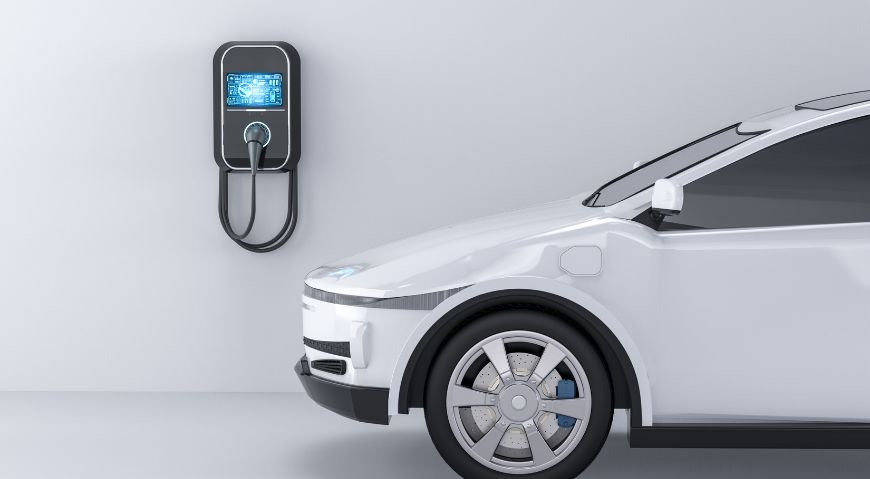
Most owners install a Level 2 charger at home, which typically provides a full charge overnight. Check local utility programs — many offer rebates for charger installation.
Public Charging
The U.S. network is expanding fast, with Tesla Superchargers, Electrify America, and ChargePoint stations across the country. Use apps like PlugShare or ChargeHub to find chargers nearby.
5. Calculate Total Cost of Ownership (TCO)
While EVs can be more expensive upfront, they often cost less to operate.
- Fuel savings: Electricity is cheaper than gasoline.
- Maintenance: No oil changes or spark plugs.
- Resale value: EV demand is growing, improving used values.
If you’re comparing resale value, check our guide on Top 10 Used Cars That Hold Their Value the Longest (2025 Edition). It’ll help you understand which vehicles, including electric ones, retain their worth best.
6. Decide Between New or Used EVs
Used electric vehicles can be a great deal — especially as many early-generation EVs hit the resale market. However, check:
- Battery health report (capacity and degradation)
- Warranty status (battery warranties often last 8 years)
- Charging compatibility (some older EVs don’t support fast charging)
Certified pre-owned (CPO) programs from brands like Tesla, Nissan, and BMW can add peace of mind.
7. Financing and Leasing Options
EV financing in 2025 has improved significantly. Many lenders now offer special EV loans or low-interest green financing. Leasing can be smart if you want:
- Lower monthly payments
- Easy upgrades to newer models
- To avoid long-term battery worries
Learn more about smart financing in our guide:
👉 Car Finance & Insurance 2025: Smarter Ways to Buy and Protect Your Vehicle in the U.S.
8. Consider Home Charging Installation Costs
Installing a Level 2 charger at home typically costs between $500–$1,200 (plus labor). Some utilities offer rebates that can offset this expense.
When moving, you can usually uninstall and take your charger with you.
9. Test Drive Multiple Models
EVs handle differently than gas cars — instant torque, quieter cabins, and regenerative braking.
Visit dealerships or EV expos to experience different models firsthand. Pay attention to comfort, visibility, and tech features.
10. Plan for Long-Term Ownership
EV batteries are designed to last, but plan ahead:
- Follow software updates — many improve efficiency and range.
- Store charging cable properly to avoid wear.
- Use scheduled charging to protect battery health.
- Keep your car clean and updated — helps maintain resale value.
Conclusion
Buying an electric car in the USA in 2025 is easier and more rewarding than ever. With the right research, incentives, and planning, you’ll save money, reduce emissions, and enjoy cutting-edge driving technology.
If you’re ready to explore more about EV trends, check out:
👉 EV Trends 2025: The Future of Electric Mobility in the United States